
About Us
Globe Studios is a not-for-profit arts and culture organization providing safe and affordable working spaces to artists and arts organizations based in Waterloo Region. We are located in the former Bonnie Stuart Shoe Factory in downtown Kitchener. As an incorporated not-for-profit organization, Globe Studios is governed by a volunteer board of directors.
In 1988, a small group of artists from the University of Waterloo Studio Fine Arts program leased a large space with tall ceilings and vintage factory windows in the Globe Furniture Company factory building near uptown Waterloo. Known for its production of wooden church pews and school desks, the artists named their collective for the historic factory site they shared, Globe Studios. But the collective would not settle here for long. After a history of upheaval, in 1999, Globe Studios made the leap to purchase their own space. A significant portion of the former Bonnie Stuart Shoe Factory building in downtown Kitchener was purchased; a one floor building with good bones teaming with potential for new creative spaces. Globe Studios was renovated and retrofitted for artists from potters, painters and sculptors to printmakers to jewelry artists to name a few. In 2020, Globe Studios recognized and met the needs of a shortage of studio space within Waterloo Region, and purchased the remaining portion of the factory building. With more than 40 studios and spaces for artists and arts organizations, Globe Studios has become a secure and enriched community of artists and arts organizations who work, collaborate and support one another within our region.
Land Acknowledgement
We gratefully acknowledge that Globe Studios is located at 141 Whitney Place in Kitchener, Ontario, on Block 3 of the Haldimand Tract, on the traditional territory of the Neutral and Anishinaabeg peoples. Block 3 is part of the six miles on each side of the Grand River that was ceded by the chiefs of the Mississaugas of the Credit Nation, and was granted to the Haudenosaunee of the Six Nations by the Haldimand Proclamation of 1784. Today, this land is home to many First Nations and Métis people, and acknowledging them reminds us of our important connection to this land where we live, work, and learn.
Board of Directors
The Globe Studios Board of Directors is comprised of six committed members with a range of skills and experience. These volunteers provide leadership in fiscal and legal oversight, property management and governance. Members of the Board include Globe Studios tenants and art advocates dedicated to supporting artistic practice by ensuring that Globe Studios continues to provide safe, sustainable, accessible and affordable working studio spaces. Members are elected or appointed for term of one year, with an opportunity for re-election. We are committed to and strive to represent the diversity of the Region of Waterloo on our Board. Board membership is currently full. We will communicate any future vacancies on this page. Please do not hesitate to contact the Board at info@globestudios.org if you have any questions.
Meet Our Board of Directors
-
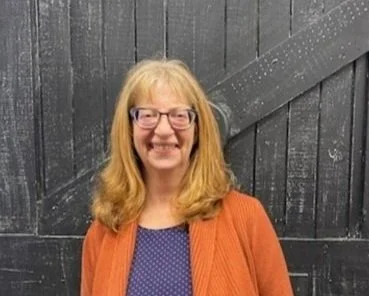
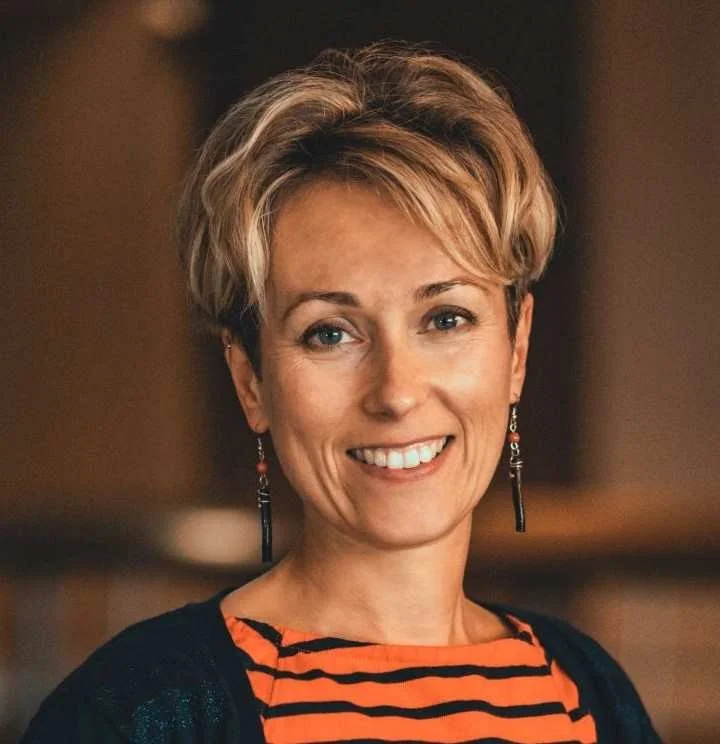
![]()
MARGARET WOOD
Margaret Wood has been connected with Globe Studios for nearly 15 years as an artist and a board member. She brings her vast experience as an educator at the secondary school level.
-
![]()
KATHY DAWSON
Kathy Dawson, CPA, CMA - A seasoned Finance executive, Kathy has been involved for many years with the local Startup community, working with many companies from the Waterloo Accelerator Centre and Communitech. She brings a practical approach to help organizations make smart business decisions.
-
![]()
FATIMA GARZAN
Fatima Garzan is an Iranian-born Canadian painter, printmaker and multi-media artist based at Globe Studios for over 20 years. She holds a BFA from University of Waterloo and her work is held in public collections including the Canada Council Art Bank. Fatima has participated in artist residencies in Canada and in France.
-
![]()
WINDEKIND BUTEAU-DUITSCHAEVER
Windekind Buteau-Duitschaever is the owner and maker of Simply Rooted Woodshop located in Studio 34. Windekind has served as board member for cooperative housing within the KW community and is an active member in various woodworking and turning organizations both within KW and Ontario.
-
![]()
KHALID MERHI
Khalid Merhi is a software engineer who—despite having a drawing ability limited to stick figures—somehow found themselves on the board of Globe Studios. He is passionate about supporting artists, ensuring the studios don’t collapse under the weight of the tenants' creativity, and proving that even spreadsheets can be a form of art.
-
![]()
KAROLINE VARIN
Karoline is a visual artist, arts educator and program administrator within the public service sector. She holds a BFA from the University of Waterloo, and although a recent tenant of Globe Studios (Studio #29), she has been exhibiting, practicing and collaborating with the local arts community for almost 30 years.



Access and Equity
Globe Studios is where all tenants and visitors, whatever their gender, race, ethnicity, national origin, age, sexual orientation or identity, education or disability, feel valued and respected. We are committed to a nondiscriminatory approach and respect and value diverse life experiences and heritages to ensure that all voices are valued and heard. During our tenant intake process we make clear the expectations of new and potential tenants to contribute to creating an inclusive environment where everybody’s right to a safe space of artistic practice is respected; to be accountable and to hold us accountable. We prioritize responsiveness and transparency. To request information or to share concerns, please connect with us at info@globestudios.org. Globe Studios is wheelchair accessible. We welcome and recognize that some individuals with disabilities may require the use of service animals to access our premises. When we cannot easily identify that an animal is a service animal, we may ask for documentation from a regulated health professional that confirms the person needs the service animal for reasons relating to their disability.